Load Your Laundry, Catch a Set: The Strangest Stages in America Right Now
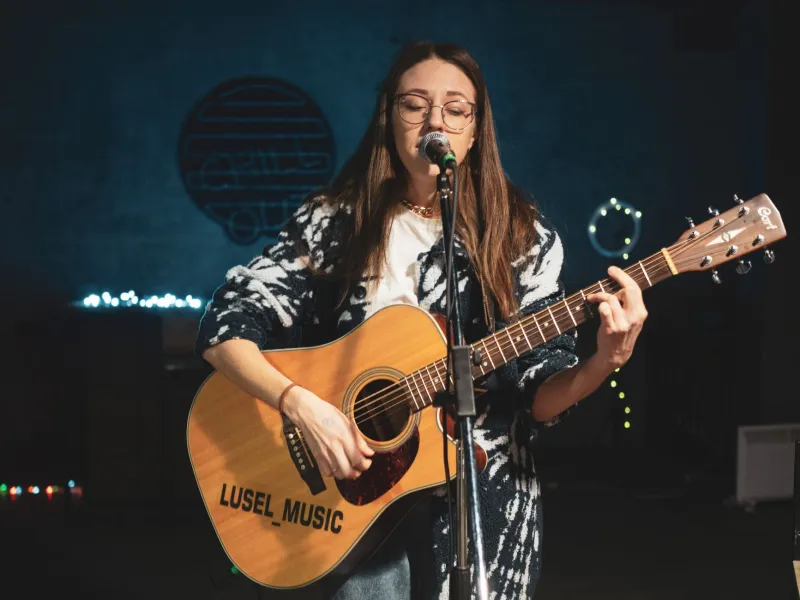
The best show I saw last month was between the washers.
A folding chair, a busker amp, a singer-songwriter testing out songs nobody had heard yet, and an audience of maybe fifteen people — half of whom were just there to do laundry and stayed because the harmonies were better than the dryers. This is the state of the American open mic in 2025, and honestly, we should all be taking notes.
Third Places Are Dying. Artists Noticed.
Quick sociology refresher: a "third place" is the spot that isn't home and isn't work where community actually happens — the bowling alley, the diner, the corner bar. Those places have been closing at a genuinely alarming rate, priced out or replaced by delivery apps and doomscrolling.
But here's what the hand-wringing misses: while the commercial third places shut down, artists started squatting in the gaps. If there's no venue, build one out of whatever's still standing. The result is a nationwide wave of creative showcases in spaces that were never meant to host them, and the weirdness is the whole point.
A Field Guide to the New Stages
The Laundromat Sessions. From Oakland to Brooklyn, laundromats have quietly become the most dependable open mic venues in the country. The logic is actually airtight: a captive audience with nothing to do for 45 minutes, great natural acoustics (all that steel and porcelain), and an owner who's thrilled to have anyone in the building after 7 p.m. Some spots now run monthly "wash and listen" nights where your dry cycle is your set length. Brutal format. Beautiful format.
Barbershop Galleries. Barbers have always been neighborhood curators — of conversation, of music, of who's who. Now shops in Atlanta, Detroit, and Houston are hanging local art on every wall and running first-Friday openings where the fade chair becomes the bar and the waiting bench becomes the front row. The crowds are more diverse than anything a gallery district could dream up, because the gallery is already where the neighborhood already is.
The After-Hours Bookstore Slam. Bookstores closing at 9 and reopening at 9:30 for poetry is one of America's great unofficial traditions. Shelf-lined rooms have absurdly good sound, the audience is pre-selected for people who like words, and the bookstore sells merch (books!) to a room of people who just got emotionally wrecked by a stranger's poem about their father. Everybody wins.
Hardware Store Bluegrass. In smaller towns, the hardware store is the last true commons, and some of them are leaning in. Ask around in North Carolina or Ohio and you'll find old-time jams in the lumber aisle, folding chairs between the paint displays, and a fiddle player who also sold you a washer gasket last Tuesday.
Nobody Planned This. That's Why It Works.
Here's the thing the traditional venue industry keeps missing: the artists showing up to laundromat mics aren't settling. They're choosing it.
A real venue comes with a door cover, a drink minimum, a booker, a sound guy who wants you to finish by 10:45, and an implicit hierarchy — stage here, audience there, don't cross the line. A laundromat mic has none of that. The person folding towels is two feet from the performer. The first-timer and the twenty-year session player get the same five minutes. The stage is wherever someone puts down an amp.
That flatness changes what gets performed. People bring unfinished songs. People try material that would die in front of a paying crowd but blooms in front of one holding a basket of delicates. Scenes form fast because everyone's a participant, not a customer.
Go Find One
You don't need a guide, really. You need a bulletin board — actual or digital. Check the corkboard at your local coffee shop, your neighborhood's community group, the flyer taped to the laundromat's change machine. Somewhere within fifteen minutes of you, someone is hosting a showcase in a room with a cash register that has nothing to do with music.
Show up. Do your laundry. Stay for the second verse.