Forget Going Viral: The Artists Who Chose Real Relationships Over Reach
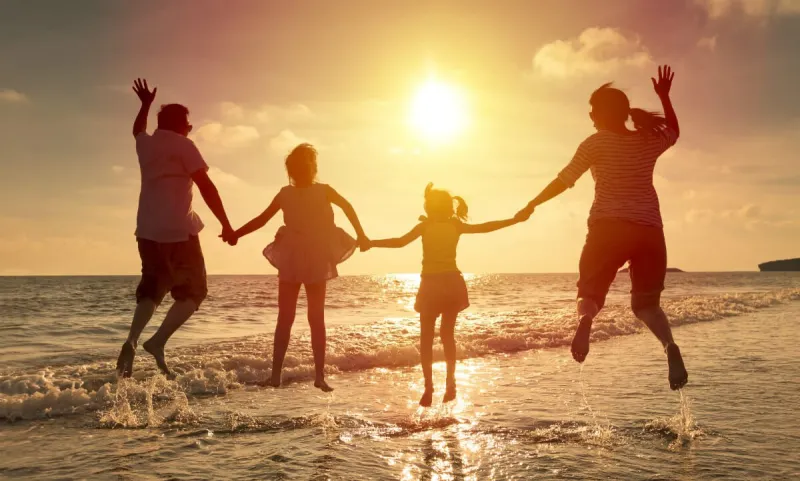
Photo: artists collaborating in small studio community gathering creative space, via www.awakenthegreatnesswithin.com
There's a moment a lot of artists can point to. The moment they refreshed their analytics for the hundredth time in a single day, felt absolutely nothing despite decent numbers, and thought: what am I actually doing this for?
For Brooklyn-based illustrator Marisol Vega, that moment came after a piece she made — a personal, quiet drawing about her grandmother — got picked up by a mid-size meme account and racked up 40,000 shares in 48 hours. "I got a bunch of followers I'd never talk to again," she says. "And then it was just... over. I felt emptier than before I posted it."
She's not alone. Across music, visual art, writing, and beyond, a quiet but deliberate shift is happening. Creators are stepping off the content treadmill and asking a different question: not how do I reach more people, but how do I go deeper with the people already here?
The Numbers Nobody Talks About
Here's the thing the growth-hacking crowd doesn't love to advertise: a massive audience doesn't automatically mean a sustainable career. Plenty of artists with six-figure followings are still scraping. Meanwhile, creators with a few thousand deeply engaged supporters — people who buy the prints, show up to the shows, subscribe to the newsletter — are actually paying their rent.
Marketing researchers have started calling this the "1,000 true fans" principle, a concept originally floated by Wired co-founder Kevin Kelly back in 2008 that's having a full-blown renaissance right now. The idea is simple: if a thousand people care enough about your work to spend $100 a year on it, that's a $100,000 income. Not glamorous. Not viral. But real.
Musician and producer Darnell "Cope" Washington built his entire model around this thinking. Based in Atlanta, he makes experimental soul music that doesn't fit neatly into any algorithm-friendly genre box. Instead of fighting that, he leaned into it. He runs a private Discord, does monthly listening sessions over Zoom with paying subscribers, and hand-writes thank-you notes to first-time buyers of his records.
"People think that sounds corny," he says, laughing. "But those same people are still chasing playlisting. I know the names of my fans' dogs."
Community as Creative Infrastructure
What's striking about artists who've made this shift is that the community isn't just a marketing strategy — it actually changes how they make work. When you know your audience intimately, you stop second-guessing yourself into oblivion trying to appeal to some imaginary mass of strangers.
That intimacy also opens up collaborative possibilities that the algorithm-first model tends to kill. Vega, for instance, now runs a monthly virtual studio session where her 200-person Patreon community draws alongside her in real time. What started as a casual experiment turned into a collective sketchbook project that she published as a zine — funded entirely by the people who made it.
"I used to think collaboration meant working with other 'big' names to get their followers," she admits. "Now I think it means making something together with the people who actually care."
This kind of mutual investment flips the traditional creator-audience dynamic on its head. Fans stop being passive consumers and become something closer to co-conspirators. And that loyalty? It doesn't evaporate when the algorithm stops showing your posts.
The Burnout Factor
Let's be honest about something: the hustle model isn't just financially precarious. It's psychologically brutal. The pressure to post constantly, to stay relevant, to perform authenticity while also gaming every platform's shifting rules — it grinds people down in ways that don't always make it into the highlight reel.
Several artists interviewed for this piece described periods of near-total creative shutdown — not from lack of ideas, but from sheer exhaustion with the machinery of visibility. Chicago-based poet and spoken word artist Tamara Osei put it bluntly: "I was spending more time thinking about captions than I was thinking about lines. That's when I knew something had to change."
Osei now publishes a monthly email newsletter — old school, no ads, no growth hacks — that goes out to about 800 subscribers. She describes it as "the most intimate creative space I've ever had." The open rates hover around 60%, which in email marketing terms is almost absurdly high. More importantly, she says she's writing the best work of her career.
What "Sustainable" Actually Means
The word sustainable gets thrown around a lot, but in the context of creative careers, it means something specific: being able to keep making work without destroying yourself in the process. That requires money, yes. But it also requires meaning — the sense that what you're doing connects to something real.
The artists building friendship-economy models aren't necessarily making the most money in their fields. But they're reporting something that's genuinely rare in the creator economy: they actually like their jobs.
Cope puts it in terms that stick: "I used to think success meant strangers knowing my name. Now I think it means the people who know my name actually knowing me. That changed everything about how I work."
None of this is to romanticize financial struggle or pretend that small, devoted communities are a magic solution to the very real economic pressures artists face. The system is still stacked. Streaming pays pennies. Galleries still favor the connected. But within those constraints, something is shifting — a quiet reorientation toward depth over breadth, presence over performance.
And for a growing number of creators, that shift feels less like a compromise and more like the whole point.